
Recreation Stewardship
Balancing quality outdoor recreation opportunities with natural resource conservation & protection
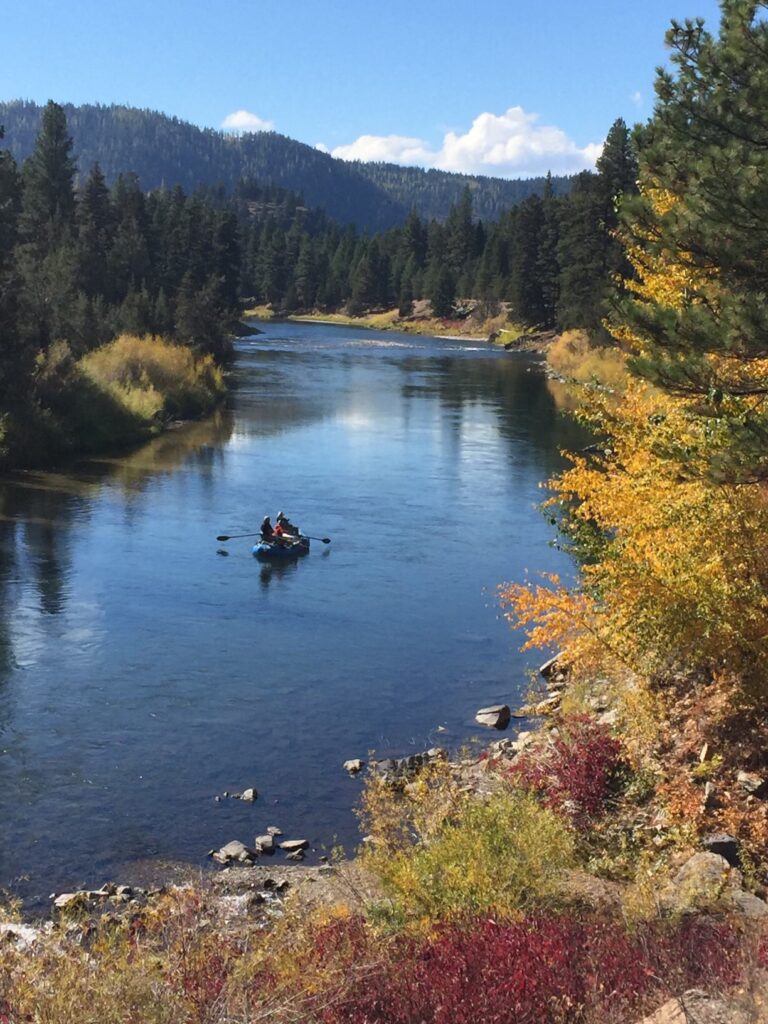
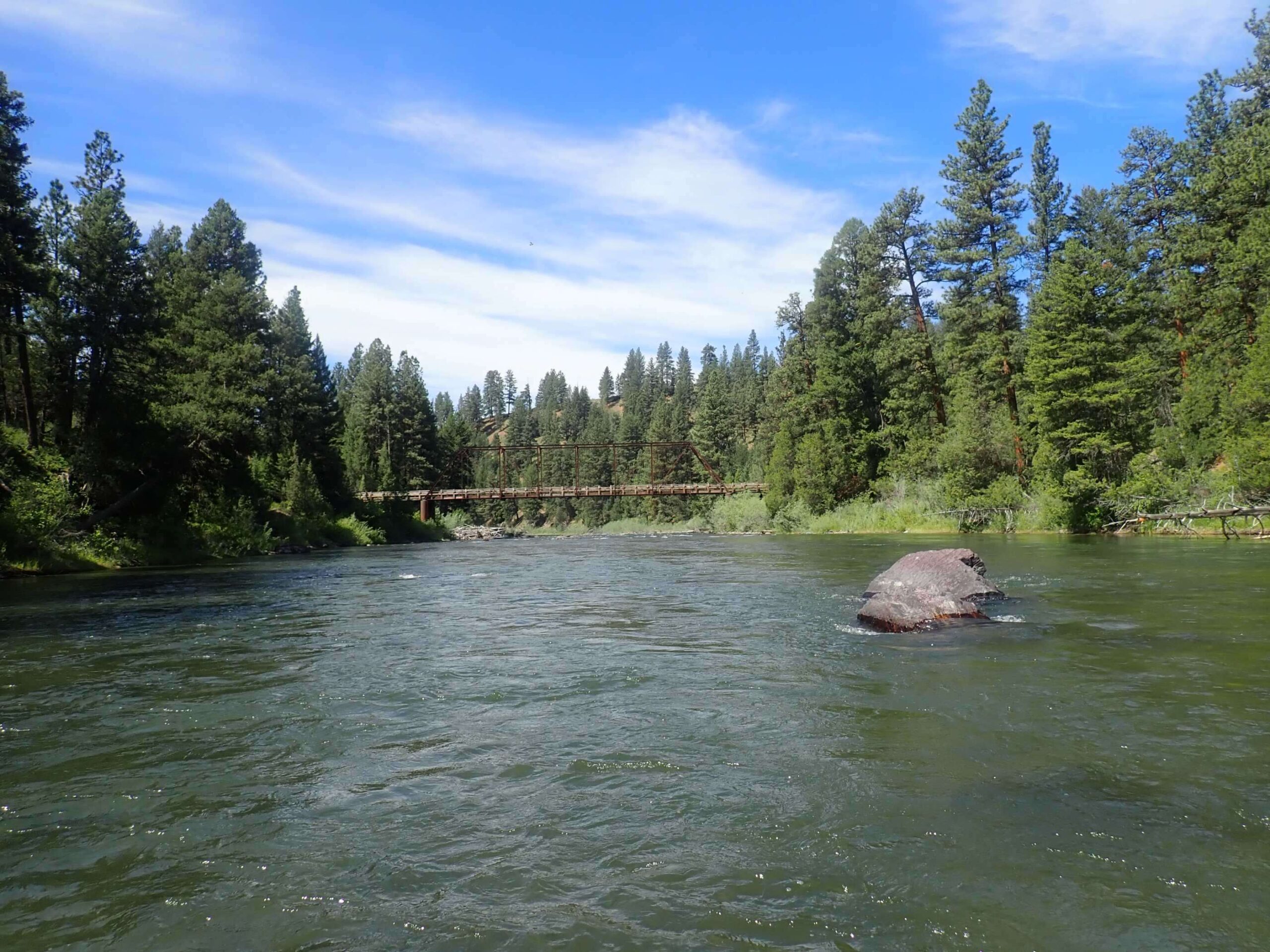
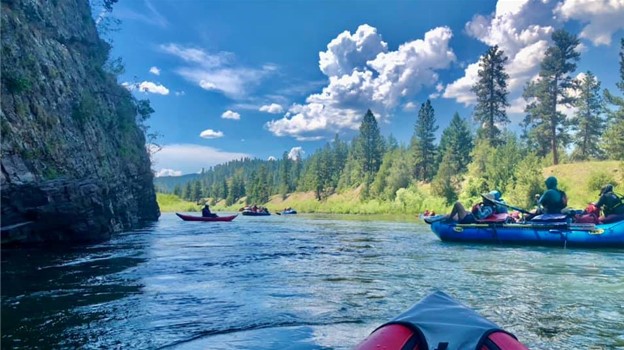
A surge of recreation activity in 2020 revealed a need to look closely at recreation use and impacts in the Blackfoot watershed. Blackfoot community members and partners began discussing the value of approaching recreation with the same ridgetop-to-ridgetop lens as other programs developed by the Blackfoot Challenge. Ultimately, the Challenge formed a Recreation Committee – a diverse group of people representing agriculture, local businesses, outfitters, conservation groups, and local, state, and federal land management agencies – and hired a coordinator to launch the program in 2024.
Partners and community members crafted a shared vision that:
The level and character of recreational use in the Blackfoot watershed is well-balanced and supports high-quality natural resources, recreational infrastructure, and user experiences, while also maintaining and supporting healthy, vibrant rural communities.
Learn more about our Recreation Program
Click on the topics at right to find out more about how parters are responding to recreation pressures in the Blackfoot watershed.
Recreation Ethics
Ensuring that the Blackfoot watershed continues to support resilient wild landscapes and outdoor experience starts with a commitment to stewardship among recreationists.
Plan Your Blackfoot Visit
Learn more about the resources we and our partners offer to help you plan safe and low-impact visits to the lands and waters of the Blackfoot watershed.
Recreation Research & Data
The Challenge and partners are building long-term understanding of trends by tracking visitor use and impact data to support future recreation management and resiliency projects.
Blackfoot Recreation Committee / Get Involved
The Recreation Committee facilitates knowledge sharing and bringing together resources to respond to recreation concerns. Volunteers support data collection and visitor outreach.
8
Monitoring Volunteers
8
Community info gathering meetings
80
Individuals Serving on Work Groups
23
Fishing Access Sites Monitored